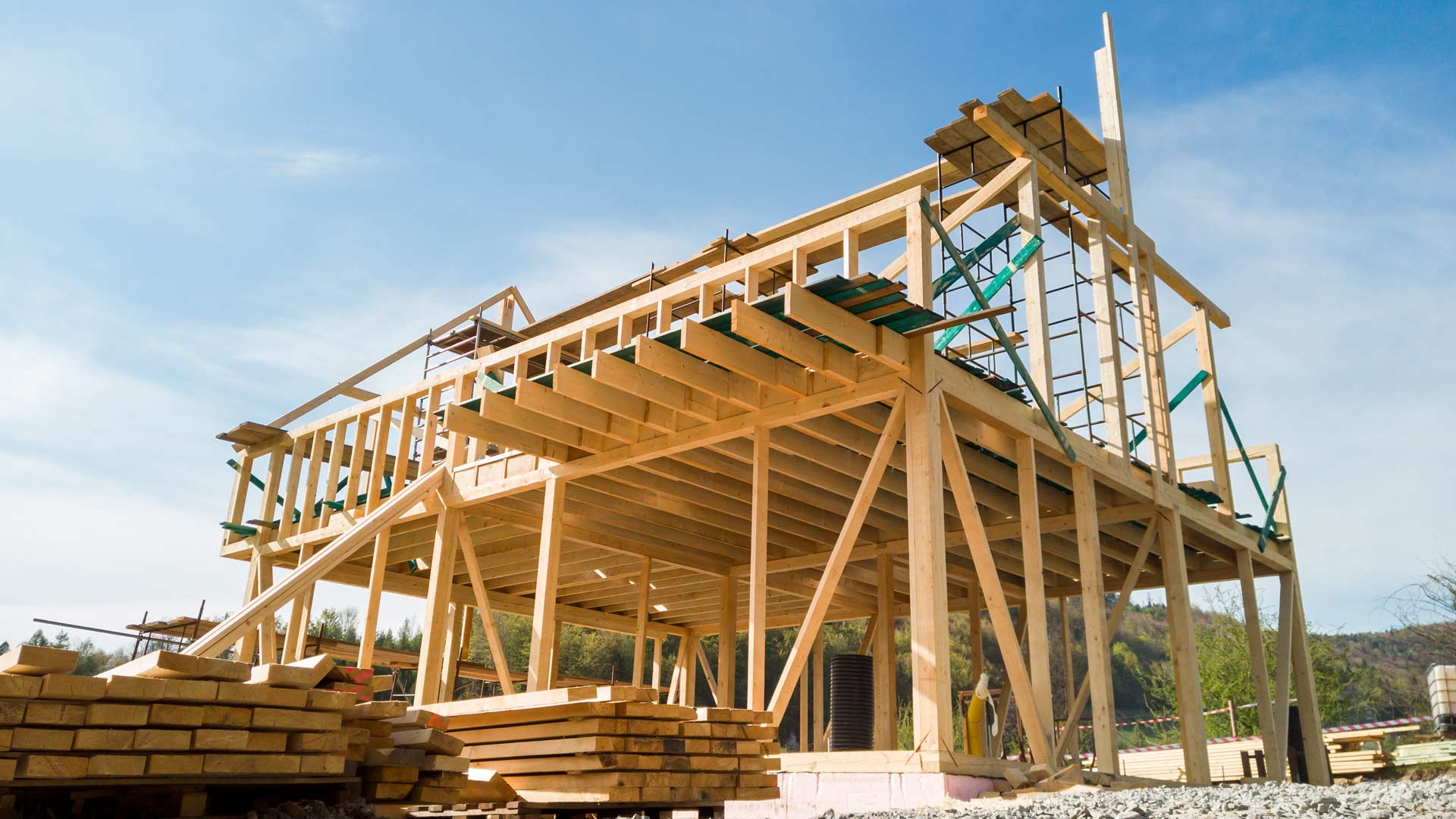

Your Foundation for a Safer Job Site
Semper Insurance supports several businesses in the Construction industry.
Construction professionals know that every project comes with risk — from job site injuries and equipment theft to contract disputes and weather delays. At Semper Insurance, we build policies designed for builders. Whether you’re a general contractor, subcontractor, or developer, we’ll help protect your people, your tools, and your projects from the ground up.
Contact a representative at Semper Insurance to discuss the best insurance options for your Construction business.
Recommended Insurance Products for Construction
Types of Construction we serve
Common questions about Construction
Answering the most frequently asked questions about Construction.
Complete a free online application, compare quotes, and choose a policy. Our licensed agents can help you find the right insurance products for your business needs.
Continuous coverage protects against fire, theft, injuries, and lawsuits, and may be required to bid on projects or obtain licenses. It also keeps your premiums lower over time.
Yes, if you use vehicles for business purposes, commercial auto insurance is necessary to cover accidents, theft, and damage.
It depends on the contract terms. The contractor, building owner, or property developer could be responsible. Ensure you’re listed as an additional insured if you’re not the one buying the insurance.
Yes, depending on your location and the type of work you do, you may need specific licenses and permits. A surety bond is also often required as part of the licensing process.
Reviews from Semper Insurance clients
110-35 72nd Rd, Forest Hills
-
 I have been using Semper insured Landland for some years now. Stu has been very helpful and responses fast to any questions you need answers too. Sara has contacted me when he was busy. He has gotten the best health insurance each year … More for my needs. It’s hard living on only my widows disability and he has helped get my health care insurance as my needs change and within my budget.
 -
We are so thrilled to be working with Adam. From the get-go, he took the time to understand our business's needs and worked closely (and tenaciously) to assemble an insurance package that met our unique needs. He's shown himself … More to be diligent, contentious, and a true advocate -- in many ways it feels like Adam's become an extension of my team. In the months we've been working together I've really come to trust Adam, and feel his partnership as an agent reflects a knowledge of our business and its mission and a genuine energy to strengthen and protect our operation.
-
Adam is super easy to work with and really knows his stuff. He helped me find the right business insurance without any hassle. A broker you can trust.Thanks


Our trusted partners
We work with the nation’s largest, most reputable insurance companies.